
ULTRASONIC DEBURRING APPLICATIONS
When geometry becomes challenging.And the edge must remain.
Ultrasonic deburring is particularly valuable where burrs are located in hard-to-reach areas or functional edges need to be preserved.
TYPICAL APPLICATION CHALLENGES
Where the process
shows its strengths.
Suitability always depends on the component, material and burr formation. These four situations are typical starting points for a sample trial.
Cross bores
Even small intersecting bores can be deburred using ultrasound.
Internal edges
Indirect ultrasonic exposure also enables processing of concealed edges and small passages.
Sensitive surfaces
Ground and honed components can also be suitable for ultrasonic deburring.
Small components
Small components place special demands on processing, positioning and handling.
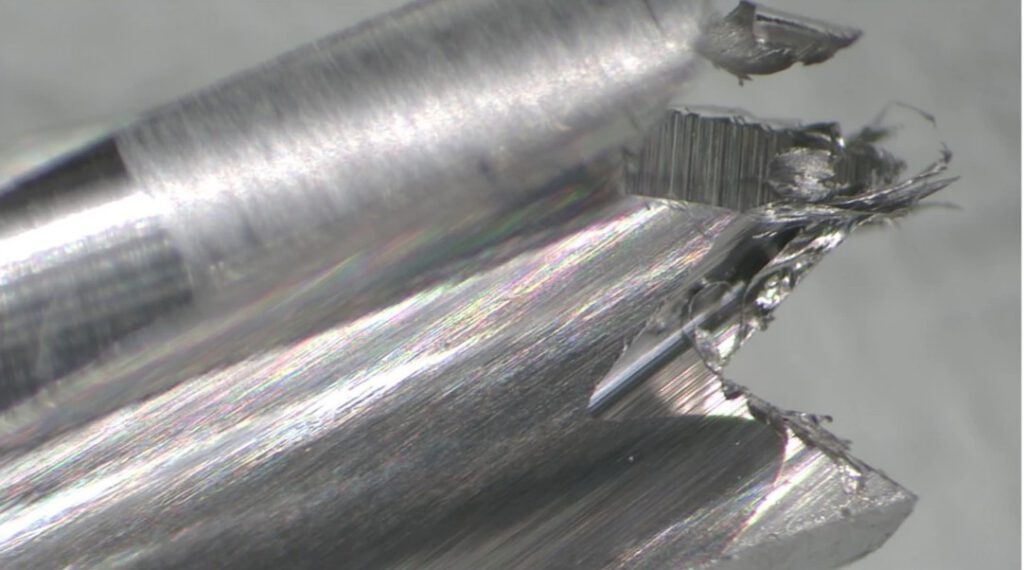
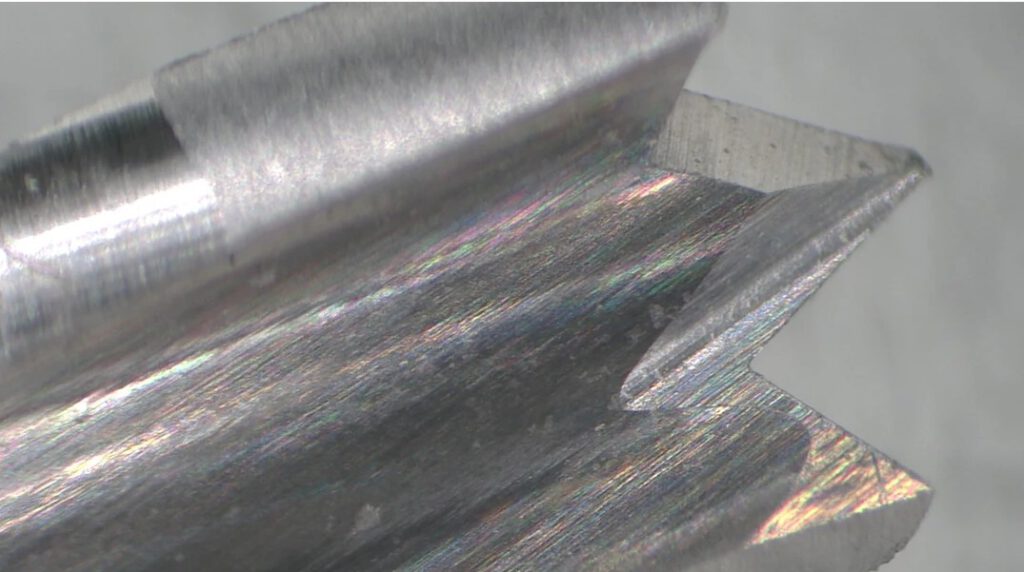
RESULT ON THE COMPONENT
The difference.
Through ultrasound.
What matters is not theory, but the direct comparison on the actual component.
CHECK SUITABILITY
Four factors.
One actual component.
- GeometryWhere is the burr located and how accessible is the relevant edge to process water and ultrasonic action?
- MaterialMaterial and component properties influence process design.
- Burr formationBurr size, burr root and formation process define the starting condition.
- Processing objectiveWhich edge must be burr-free and which surface or functional features need to be preserved?
HOW WE TEST
From the component to a reliable conclusion.
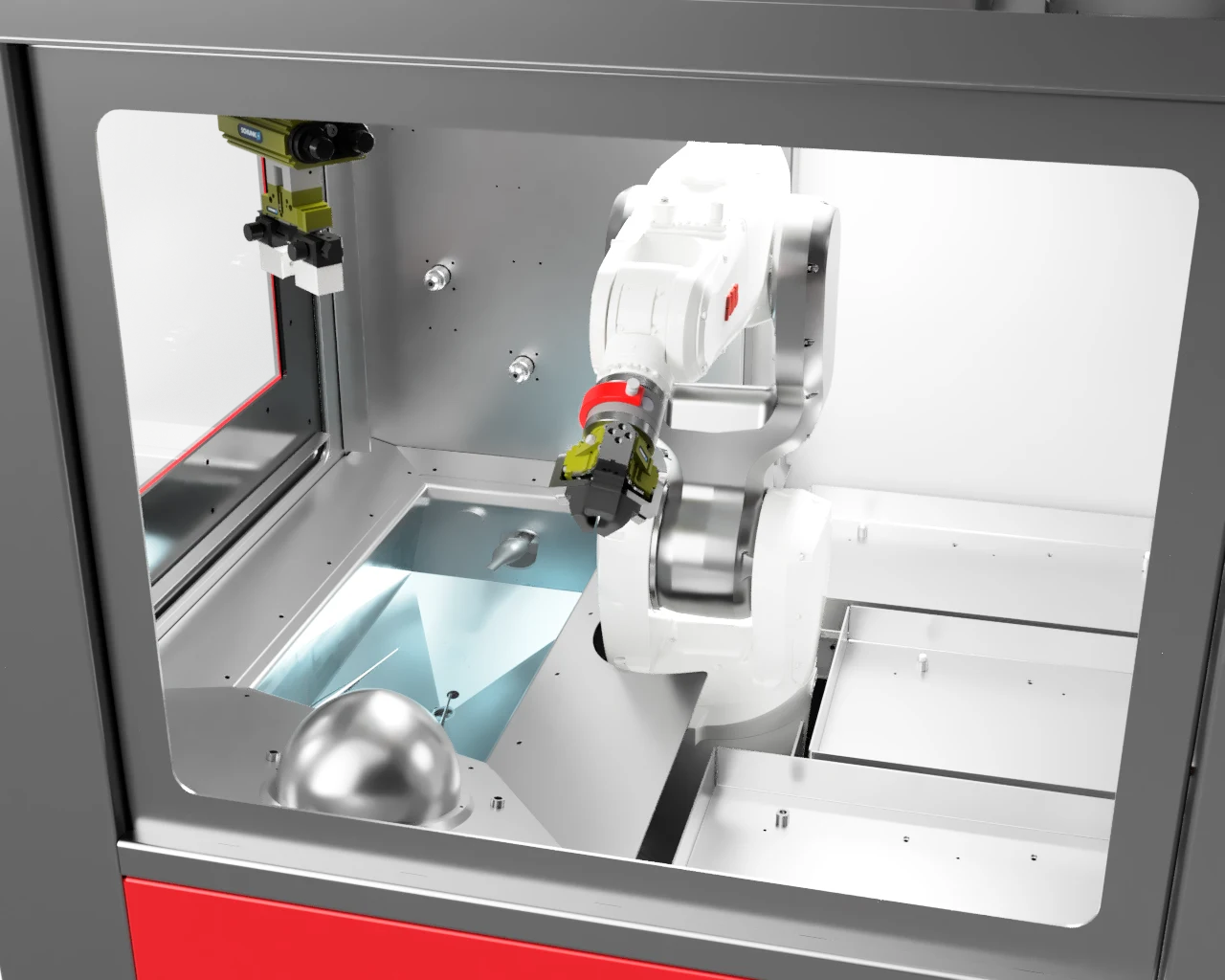
We position the component in the process water at the sonotrode and compare the initial condition with the processed edge. Only then do we derive the next suitable system configuration.
YOUR APPLICATION
Is your component suitable for ultrasonic deburring?
Describe your deburring task and the relevant edges. We will agree the sample trial and shipping arrangements with you in advance.
Request sample deburring ↗